
At Spicewood Springs Animal Hospital, we understand that media reports about avian influenza (bird flu) can be concerning for pet owners. Our goal is to provide clear, science-based information so you can make the best decisions for your pets’ health and well-being.
Since March 2024, U.S. health agencies have been closely monitoring an avian influenza A (H5N1) outbreak that originated in dairy cattle. While this virus has received significant media attention, it remains very rare. In fact, there were only 49 confirmed cases in the U.S. throughout 2024.
Risk of bird flu in cats and dogs
While research shows that cats are susceptible to avian influenza, the risk remains very low for household pets. Most documented cases in cats have been linked to direct exposure through humans working in poultry processing facilities or through ingestion of infected wild birds or raw/unpasteurized foods.
Dogs can also potentially contract bird flu, but their risk is even lower than that of cats.
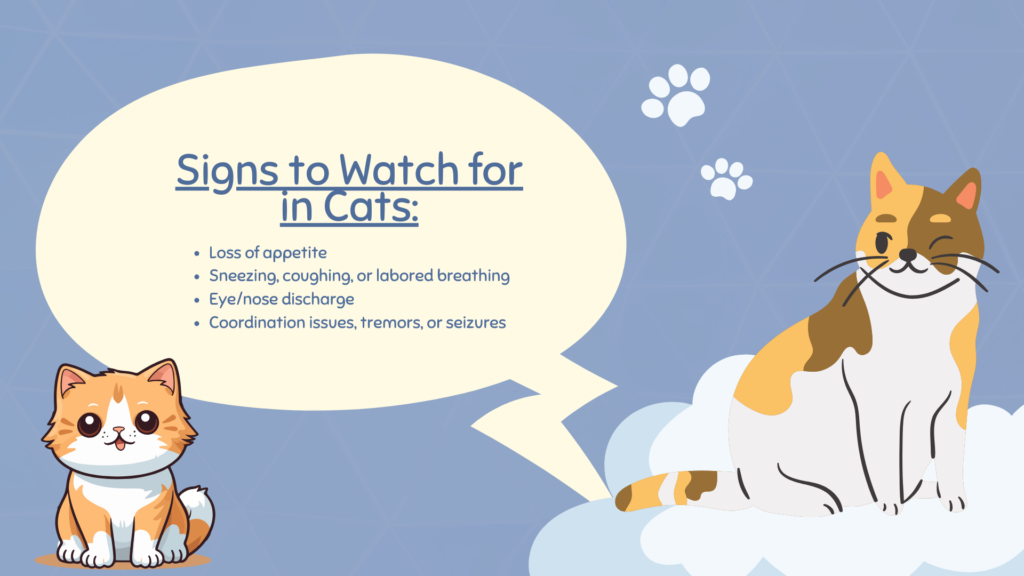
Recognizing the symptoms in cats
Avian influenza presents with symptoms similar to those of other respiratory infections. Cats can experience decreased appetite, lethargy, discharge from the eyes and nose, labored breathing, and sneezing and/or coughing. Cats can also experience neurological symptoms like loss of coordination, tremors, seizures, and blindness.
Prevention will help keep pets safe from bird flu
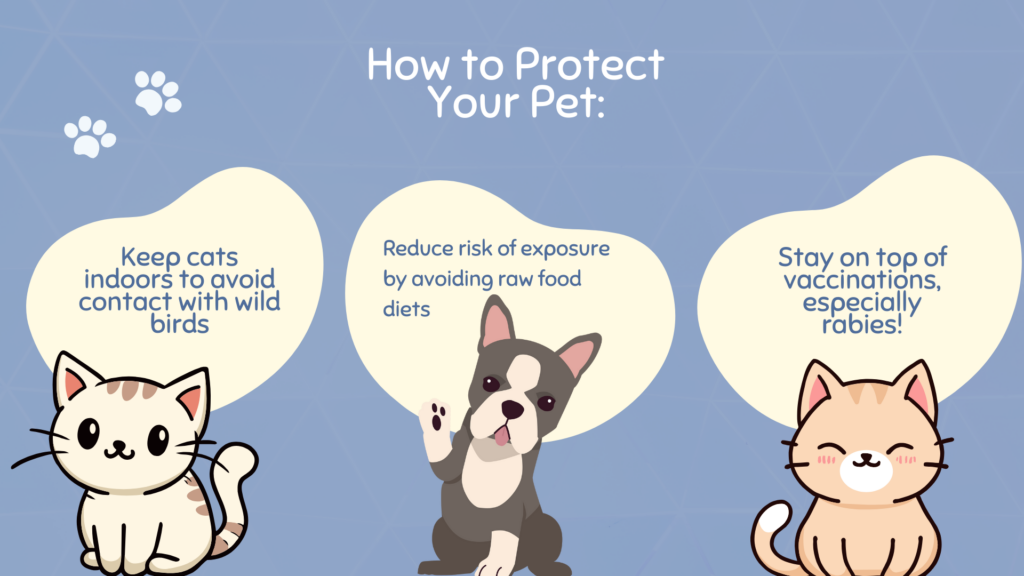
To minimize the risk of bird flu, consider the following precautions:
Limit outdoor access – Keeping cats indoors or restricting outdoor exposure to prevent contact with wild birds is the best preventive measure.
Be cautious with diet – Raw food diets have been linked to transmission in some cases. While pet food recalls are monitored, not all companies comply with voluntary recalls. Avoiding raw food diets altogether is the safest option.
Keep up with vaccinations – While there is no bird flu vaccine for pets, ensuring they are fully vaccinated—especially against rabies—is always a good practice for their overall health and legal compliance.
Final Thoughts: Should You Be Concerned?
Veterinary professionals continue to monitor avian influenza, but the current risk to household pets remains very low. If you notice any concerning changes in your pet’s behavior or health, we encourage you to reach out to our office for guidance. For more details on bird flu, visit the AVMA’s official resource.
Your pet’s well-being is our priority, and we’re here to help with any questions or concerns you may have.